Case Study: How Conscious Sedation in Dentistry Transformed Our Dental Practice and Our Patients’ Fear of the Drill
Introduction: A Comedic Take on Dental Anxiety
Welcome to the world of dentistry, where the sound of the drill is music to some and sheer terror for others. If you’ve ever seen someone clutching the dental chair like it was their last lifeline, you know the struggle is real. Dental anxiety is a phenomenon that many patients face, transforming routine check-ups into epic tales of avoidance and dread. But fear not, dear patient and practitioner alike! Enter conscious sedation in dentistry— the unsung hero of dental practices, turning screaming banshees into tranquil butterflies.
But what is conscious sedation, really? It’s not just a fancy term for “taking a nap while someone messes with your teeth.” It’s a carefully orchestrated dance between science and comfort, designed to keep you relaxed while your dentist works their magic. Whether you’d prefer to be blissfully unaware or just mildly entertained by the latest dental gossip, conscious sedation promises a more enjoyable experience. Let’s dive into the nitty-gritty of this fabulous technique!
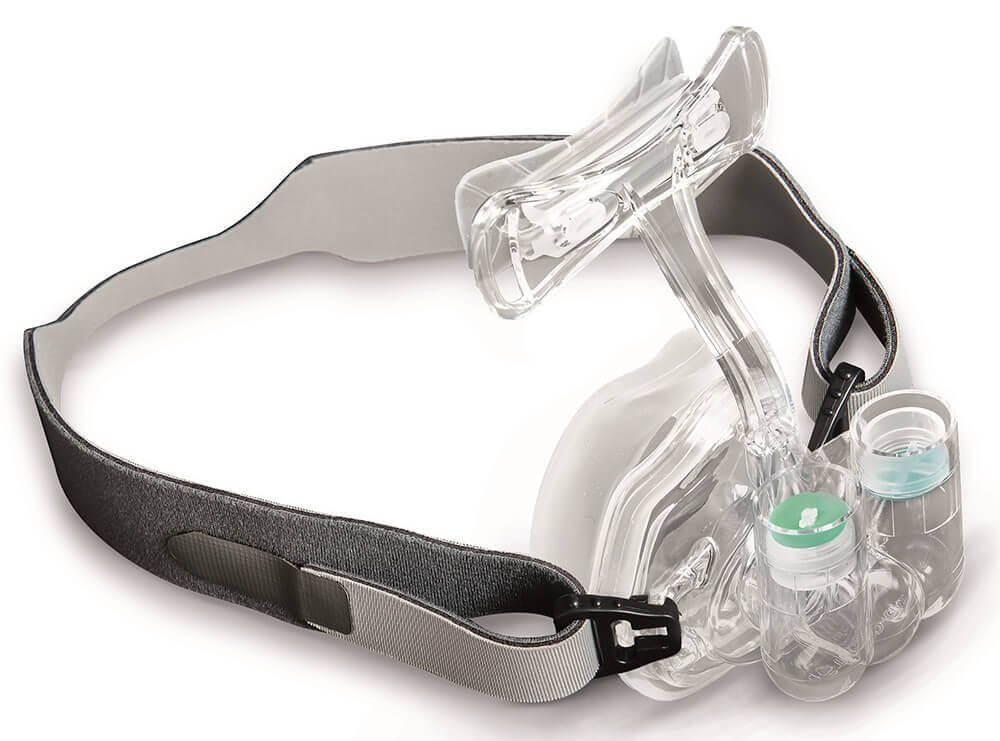
With the help of conscious sedation in dentistry, patients can now approach their dental visits with much less anxiety and more confidence.
The Reluctant Patient: A Comedy of Dental Errors
Picture this: You’re in the waiting room, and the dental hygienist calls your name. Suddenly, your heart races faster than a contestant on a reality show facing an elimination round. You visualize the dentist’s tools as medieval torture devices, each one more terrifying than the last. Your mind races through a montage of dental horror stories, and before you know it, you’re sweating bullets. This, my friends, is the life of a reluctant dental patient.
From fainting spells to full-blown panic attacks, the anecdotes are endless. One patient once shared how they brought a stress ball to their appointment only to squeeze it so hard it exploded—flinging rubber shards across the room like confetti at a New Year’s Eve bash. If only these patients knew there was a more relaxed way to handle dental visits. Enter conscious sedation, the antidote to their melodrama!
The Role of Conscious Sedation: More Than Just a Naptime
So, what exactly is conscious sedation? It’s a mild form of sedation that keeps you relaxed and comfortable but still able to respond to questions or commands from your dentist. Instead of being completely out cold, you’re in a semi-conscious state—think of it as the happy place between awake and asleep. With the right medications administered through inhalation or IV, patients can find themselves giggling at dad jokes while the dentist works on a root canal.
This technique not only alleviates anxiety but also significantly reduces discomfort during procedures. The beauty of conscious sedation lies in its ability to cater to various patients: from those who are mildly anxious to those who have a veritable phobia of anything dental-related. The best part? You may not even remember the procedure afterward, much like that time you tried to forget how you used to dress in the 90s!
Why Conscious Sedation is Necessary
The Science Behind Being Chill: How It Works
Conscious sedation works by introducing sedatives that lower anxiety and pain perceptions. Common medications include nitrous oxide (commonly known as laughing gas), oral sedatives, and IV sedatives. These substances can boost the production of neurotransmitters like GABA, which calms your brain waves faster than a cat meme scrolling through your feed. The result? A relaxed state where you won’t be hyperventilating in the chair while contemplating your life choices.
This method is particularly helpful in procedures that require prolonged attention or those that might induce discomfort. By dampening the body’s stress responses, conscious sedation prevents panic from sabotaging your appointment and allows the dentist to focus on their intricate work without interruption.
Reducing Anxiety: The Emotional Side of Dentistry
Dental anxiety isn’t just about fear of drills; it’s deeply rooted in personal experiences, misconceptions, and sometimes even trauma. For many patients, the dentist’s office feels like the last place they want to be. The mere thought of needles, drills, and unfamiliar sounds can send them into a frenzy. This is where conscious sedation shines, providing an emotional shield against the onslaught of anxiety.
By opting for conscious sedation, patients can transform their experience from a horror film into a feel-good comedy. Instead of bolting out the door, they can sit back, relax, and even indulge in a little laughter. The combination of reduced anxiety and enhanced comfort means that patients are more likely to keep up with their dental appointments, leading to better oral health and fewer surprises down the road.
Enhancing Patient Comfort: The Art of Relaxation
Not only does conscious sedation tackle anxiety, but it also enhances overall comfort during dental procedures. It’s not just about alleviating fear; it’s also about making sure patients are physically comfortable. Dental work can often involve lengthy procedures, and discomfort can lead to a negative experience. Conscious sedation allows patients to relax their muscles, breathe easier, and remain at ease during their treatments.
Moreover, the aftereffects of conscious sedation allow patients to leave the office feeling less stressed and more satisfied with their visit. When patients feel comfortable and at ease, they’re more likely to recommend the practice to friends, family, and even that neighbor they only chat with during awkward encounters. It’s a win-win situation!
Conscious Sedation: A Game Changer in Practice
Boosting Efficiency: The Time-Saving Aspect
Efficiency in dental practice is crucial, not only for the dentist but for the patient as well. Conscious sedation can significantly reduce the time spent on procedures, as patients are less likely to move or react negatively compared to those without sedation. This means fewer interruptions and smoother procedures, which can lead to a more streamlined practice overall.
Additionally, when patients are relaxed, the dentist can work more efficiently, allowing them to focus on technique rather than managing anxiety. The time saved can allow dental practices to see more patients or provide them with more personalized care without compromising on quality. It’s like adding a turbocharger to your vehicle—suddenly, you’re zooming past everyone else!
Improving Outcomes: Why Happy Patients Are Better Patients
There’s a saying that “happy patients are repeat patients.” When patients have a positive experience at the dentist, they are more likely to return for their regular check-ups. And conscious sedation plays a pivotal role in ensuring that patients leave with a smile rather than a grimace.
Moreover, happy patients tend to be better at following post-treatment recommendations. When they feel good about their dental care experience, they are more motivated to maintain their oral health. This leads to fewer complications, increased patient compliance, and ultimately, better outcomes for everyone involved—including the practice, as good word-of-mouth spreads like wildfire!
Business Benefits: The Bottom Line on Conscious Sedation
Implementing conscious sedation can also provide tangible business benefits for dental practices. A practice that offers these services can stand out in a competitive market, attracting a wider range of patients seeking a more comfortable experience. Patients who might have shied away from dental visits can now find a welcoming environment that caters to their needs.
Additionally, the ability to offer sedation options can potentially lead to an increase in revenues. As patients feel more comfortable with procedures and more likely to return, practices can see a boost in their overall patient base as well as in the types of procedures they can perform successfully. When you can take something that was once a source of dread and make it enjoyable, it’s like striking gold!
Case Studies: Success Stories from the Trenches
The Overwhelmed Patient: A Transformation Tale
Take, for instance, the case of Jane—a patient whose dental anxiety was so severe that she hadn’t visited a dentist in over a decade. Jane’s story was one of anxiety-induced avoidance; she had built a fortress around her dental fears. When she finally decided to take the plunge, her dentist recommended conscious sedation. With a little nitrous oxide and a comforting environment, Jane found herself laughing through the procedure. The transformation was remarkable; she became a regular patient and even brought her friends along. Now, Jane not only has a healthier smile but also a newfound appreciation for dental care!
Such stories are not rare. Dental practices that integrate conscious sedation often share tales of patients who’ve gone from fearful to fearless, with many reporting that their experience was unexpectedly enjoyable. It’s a reminder that with the right approach, dental anxiety can be tackled head-on, transforming lives one appointment at a time.
The Fearless Dentist: Revolutionizing Practice with Conscious Sedation
Dr. Smith, a dentist in a bustling urban area, was known for her compassionate approach to care. However, she noticed that many patients avoided treatments due to anxiety. After attending a seminar on conscious sedation, she decided to incorporate it into her practice. The results were staggering! Not only did she see an increase in new patients, but her existing patients also began to refer family and friends at an unprecedented rate. Dr. Smith created a safe haven for the nervous—her office became synonymous with comfort and care.
This not only enhanced her reputation but also improved her practice’s profitability. By reducing cancellations and increasing patient retention, Dr. Smith turned her practice into a thriving business. It just goes to show that a little humor, combined with the right techniques, can create a comfortable environment for everyone involved.
The Happy Ending: Patient Testimonials That Will Make You Laugh
Testimonials from patients who’ve experienced conscious sedation often reflect a blend of relief and humor. One patient jokingly recounted how they entered the office convinced they’d emerge with a new set of pearly whites, only to be completely oblivious during the entire procedure. “I think I missed my own root canal!” they laughed, reflecting on the surreal experience.
Another patient shared how they managed to engage in silly banter with the dentist while feeling completely at ease. “I thought I was going to be a nervous wreck, but instead, I found myself telling dad jokes and wondering if I’d ever get paid for my stand-up routine!” Such stories not only highlight the effectiveness of conscious sedation but also the joy it can bring to an otherwise mundane dental visit.
Conclusion: Embracing Conscious Sedation in Dentistry
Final Thoughts: Why It’s Time to Laugh, Not Fear
Conscious sedation is not just a practice enhancer; it’s a game changer for both dentists and patients alike. By addressing the emotional and physical hurdles associated with dental visits, it transforms fear into comfort and anxiety into relaxation. As we’ve explored throughout this article, the benefits are far-reaching—from improved efficiency to increased patient satisfaction.
Dental care doesn’t have to be scary. With conscious sedation, we can embrace the laughter that often comes after a good fright. Whether it’s a simple check-up or a more complex procedure, conscious sedation offers a pathway to a more enjoyable dental experience. Let’s work together to turn those dental horror stories into tales of triumph!
FAQs
What is conscious sedation in dentistry?
Conscious sedation in dentistry refers to a technique used to help patients relax and feel comfortable during dental procedures. Patients remain awake but in a relaxed state, allowing them to respond to the dentist while minimizing anxiety and discomfort.
How does conscious sedation work?
Conscious sedation typically involves the administration of sedatives through inhalation (like nitrous oxide) or intravenously. These medications reduce anxiety, enhance relaxation, and can also create an amnesic effect so that patients may not remember the procedure afterward.
Is conscious sedation safe?
Yes, when administered by a trained dental professional, conscious sedation is generally considered safe. Dentists will evaluate each patient’s medical history before recommending sedation to ensure it is appropriate for their individual needs.
Who can benefit from conscious sedation?
Patients with anxiety about dental procedures, those undergoing lengthy or complex treatments, or individuals with a low pain threshold can all benefit from conscious sedation. It provides a solution for anyone who finds dental visits daunting.
Can I drive after receiving conscious sedation?
Typically, patients are advised not to drive following conscious sedation, as the effects may linger even after leaving the dental office. It’s best to arrange for someone to take you home safely.